Everything You Need to Know About Visiting Machu Picchu
Visiting Machu Picchu is on just about everyone’s Peru bucket list, and for good reason!
This seventh wonder of the world is one of those places that really does live up to the hype. But planning a visit can feel a little overwhelming, especially when you’re trying to figure out tickets, circuits, transport and the best time to go.
I’ve been lucky enough to visit Machu Picchu twice and both times I got there a different way and was also able to experience different circuits. Along the way, I’ve learned a lot about what goes into planning a visit, what to expect when you arrive and a few things I wish I’d known beforehand.
In this guide, I’ll cover everything you need to know about visiting Machu Picchu, including how to choose the best time to go, buying your entrance tickets and understanding the different circuits, getting around the site and whether it’s worth visiting Huayna Picchu or Machu Picchu Mountain.
Whether you’re just starting to plan your Peru trip or you’re trying to work out the finer details of your visit, this guide will help you plan your trip to Machu Picchu with confidence.

Disclaimer: This post contains affiliate links that may earn us a small commission should you decide to click through and make a valid purchase (at no extra cost to you). Thanks so much for your support!

Quick Tips for visiting Machu Picchu
Best time of year to visit: June / July for the best weather
Where to stay: Aguas Calientes (Machu Picchu Town): Inti Punku Machu Picchu Hotel – this is where I stayed and it was super comfortable and right in the centre of town.
Is the bus included in the Machu Picchu entrance ticket: No but you can purchase this here.
How many days do you need: At a minimum, you only need 1 day, however I recommend staying overnight in Aguas Calientes (Machu Picchu Town)
Machu Picchu Entrance Ticket: Purchase online here.
Don’t forget: Your passport for entering Machu Picchu!
Is Visiting Machu Picchu Worth It?
What Makes Machu Picchu So Special?
Machu Picchu is one of the seven wonders of the world and even vising the incredible archaeological site a second time, I still felt that rush of excitement and wonder seeing it again.
The reason Machu Picchu is so special is because it is one of the best preserved 15th-century Inca citadels in the world and the way it was built is extraordinary. You’ll learn all about this when you visit but in a nutshell the stones for the walls fit together so tightly that no mortar was used, and the technique allows the walls to shift and settle during earthquakes rather than collapse.

What to Expect When Visiting Machu Picchu
You need to be well prepared when visiting Machu Picchu because there are a lot of rules on what you can bring inside the citadel and what you need to bring with you to enter such as your passport.
My dad often tells me that he remembers visiting Machu Picchu years and years ago and there was barely any one there which sounds to me like an actual dream.
The reality today is that Machu Picchu is very much like Disneyworld. There are large queues for the buses, the toilets and to get in and around the site. You need to be ready to be very patient and kind to other people.

Is Machu Picchu Worth the Cost and Effort?
As long as you’re prepared for the crowds, I’d say absolutely, 100% yes! If you’re interested in ancient ruins and the history of the Incas, Machu Picchu is so worth visiting. And that’s coming from someone who’s been twice!
It takes a bit of planning to figure out how to get there, but once you arrive, you’ll be so glad you made the effort!

How to Get to Machu Picchu
There are several different ways to get to Machu Picchu, depending on your budget, how much time you have and how adventurous you want to be.
You can travel by train, take a shuttle bus to Hidroeléctrica and walk the final stretch, book an organised tour from Cusco, or even trek for several days through the Peruvian Andes along the Inca Trail.
Each option has its own pros and cons, so it’s worth considering which one works best for your trip.
Not sure which route to take? I’ve put together a complete guide explaining all the different ways to get to Machu Picchu, including travel times, costs and what to expect from each option.
👉 Read my complete guide to getting to Machu Picchu here.

The Best Time to Visit Machu Picchu
Visiting During the Dry Season
The dry season in Peru usually runs from May to October. The first time I went to Machu Picchu I visited in June and I remember it being really sunny and hot from about 9am onwards.
June, July and August are the most popular times of the year to visit Machu Picchu so you need to make sure you book everything well in advance, but especially your entrance tickets to Machu Picchu because there are only a certain number of tickets sold each day.
Even though the days are drier and sunny, you should also note that the evenings can be pretty cold because it is winter in Peru.
Pros of visiting during the dry season:
- A lower chance of rain disrupting your plans.
- Better chances of clear mountain views.
- Generally more favourable conditions for hiking in the surrounding region.
Cons of visiting during the dry season:
- Larger crowds, particularly from June to August.
- Higher demand for accommodation, trains and popular entry times.
- Cold temperatures in the mornings and evenings.

Visiting During the Rainy Season
The rainy season runs from November to April, with the highest amount of rain occurring between January and March. There are fewer people visiting Machu Picchu around this time, however you could visit during the rainy season and get perfect weather, like I did!
The second time I visited Machu Picchu was in November when I did the Salkantay Trek. We had beautiful weather the entire time, including on the day that we visited Machu Picchu! I was told that this isn’t the norm though for this time of year though so you definitely need to be prepared for rain if you visit during the rainy season.

I remember it being a lot more humid in Machu Picchu itself which I think is because it was almost summer rather than the first time I was there in winter.
Rain doesn’t necessarily mean you’ll have a bad visit though. Conditions can change quickly and if the rain stop and the fog starts clearing, it can be really magical looking in Machu Picchu!
Note: The Inca Trail usually closes in February for maintenance, however, Machu Picchu remains open.
Pros of visiting during the rainy season:
- Lush green scenery and dramatic mountain views when the clouds clear.
- Potentially fewer visitors during some periods.
- A different atmosphere, with mist drifting through the ruins.
Cons of visiting during the rainy season:
- A greater chance of rain affecting your visit.
- Cloud and mist can obscure the views.
- Wet, slippery paths can make exploring more challenging.
- Some trekking routes may have seasonal closures or weather-related disruptions.

The Best Months to Visit Machu Picchu
If your priority is getting the best chance of dry weather and clear views, I’d lean towards the dry season. To avoid some of the peak crowds, you could try May or September, however, neither month is guaranteed to be quiet or rain-free.
Honestly, even when I visited Machu Picchu in November, it was pretty busy! I feel like unless you visit on a super rainy day during the wet season, they are likely to sell all of the tickets for the day. I mean it is one of the seven wonders of the world.

How Many Days Do You Need to Visit Machu Picchu
Can You Visit Machu Picchu in 1 Day?
You can visit Machu Picchu in 1 day from Cusco, but it is a pretty massive day! Personally, I think it is worth staying overnight in Aguas Calientes which is the way I have done it both times I’ve visited Machu Picchu.
Should You Stay Overnight in Aguas Calientes?
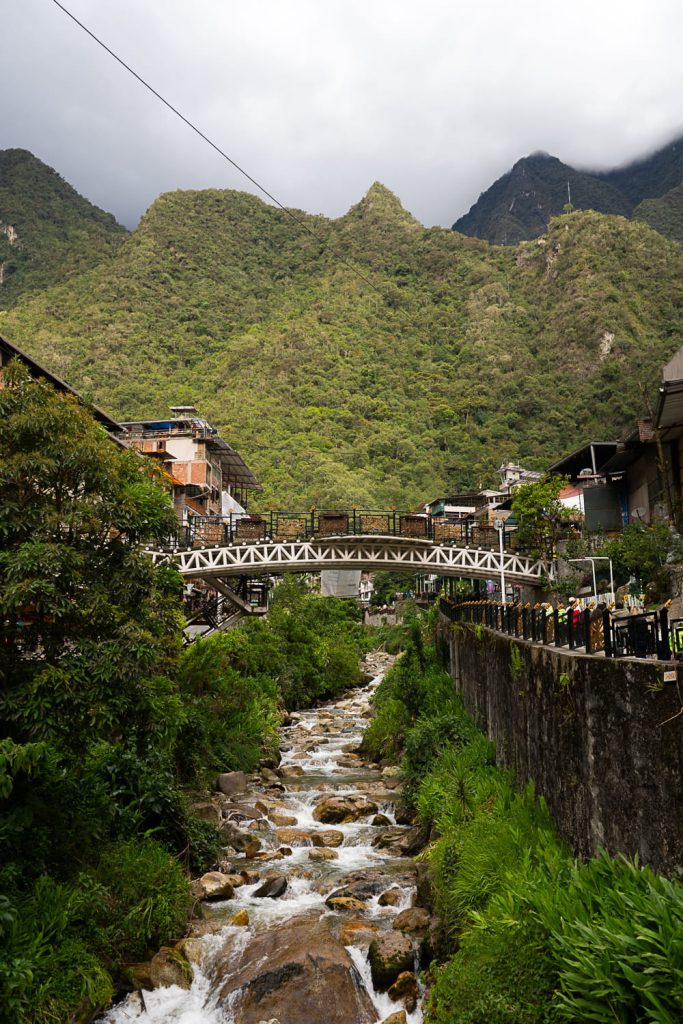
I recommend staying overnight in Aguas Calientes (also known as Machu Picchu Town). Most recently when I was there, I stayed in a lovely hotel called Inti Punku Machupicchu Hotel & Suites which was very central to restaurants, bars and not far from the train station or where the Machu Picchu buses stop.
Aguas Calientes is the definition of a tourist trap town but that doesn’t mean it’s not fun to visit. There’s lots of good food and loads of shops for souvenirs. If you want a Peruvian poncho, this is the place to get it. There’s also fun bars and karaoke bars!
I would spend your first day getting to Aguas Calientes and then check in to your hotel and explore the town.
Then, have your Machu Picchu tickets booked for the next day, and the train shortly after to travel back to Cusco.
Choose Your Machu Picchu Circuit and Route
This is one of the most confusing parts about visiting Machu Picchu but unfortunately it is also one of the most important because the route you choose determines which views you get while visiting Machu Picchu.
Not all routes bring you to that classic postcard photo spot that we all imagine getting when visiting the famous citadel. ‘On my last trip there, we almost missed out on the postcard view, because our guide booked the wrong circuit by accident! Can you imagine going all the way to Machu Picchu and then not seeing the classic view?!
First, it’s important to understand that there are 3 different circuits but then each of the circuits has multiple different routes that you can choose from.

Circuit 1: Panoramic Routes
As the name suggests, Circuit 1 is all about the views! This route takes you to the upper terraces of Machu Picchu, where you can look out over the ancient ruins and surrounding mountains.
If you’ve seen those iconic photos of Machu Picchu from above, this is the general area where you’ll get that panoramic perspective.
There are four route options within Circuit 1:
- Route 1-A: Machu Picchu Mountain: Includes the hike up Machu Picchu Mountain, which is a challenging uphill walk with incredible views from the summit.
- Route 1-B: Upper Terrace: Takes you to the upper terraces for those famous panoramic views of Machu Picchu, without having to do an additional mountain hike.
- Route 1-C: Intipunku (Sun Gate): Takes you to the Sun Gate, which was an important entrance to Machu Picchu for people arriving along the Inca Trail. This route is only available during certain seasons.
- Route 1-D: Inca Bridge: Takes you along a path towards the historic Inca Bridge, which was built into the mountainside. This route is also seasonal.
The main thing to know about Circuit 1 is that it’s focused on the viewpoints rather than exploring the main archaeological areas. So, if you mainly want those incredible photos of Machu Picchu from above, this could be a good option. However, if you want to wander through the ruins and see the temples up close, you’ll want to look at Circuit 2 or 3 instead.
Circuit 2: Classic Machu Picchu Routes
If it’s your first time visiting Machu Picchu and you want to explore as much of the archaeological site as possible, Circuit 2 is the one I’d look at first.
This is often considered the classic Machu Picchu experience because it combines the famous panoramic viewpoint with a walk through many of the main ruins. You’ll get to see some of the most recognisable areas of the site, including the Sacred Plaza, the Temple of the Three Windows and other important Incan structures.
There are two route options within Circuit 2:
- Route 2-A: Designed Route: Takes you through the upper and lower areas of Machu Picchu, combining the panoramic viewpoint with several of the main archaeological sections.
- Route 2-B: Lower Terrace: Also includes the classic viewpoint, before continuing through parts of the main archaeological area.
Both routes give you a good introduction to Machu Picchu, although the exact paths and viewpoints differ slightly.
If you want to get that iconic Machu Picchu photo and actually spend time exploring the ruins, I’d recommend looking at Circuit 2 when booking your tickets.
Circuit 3: Royalty Routes
Circuit 3 takes you through the lower section of Machu Picchu, which is home to several important temples, residences and areas associated with the Inca elite.
You’ll get to explore some fascinating parts of the citadel, including the Temple of the Sun, the House of the Inka and the Temple of the Condor.
There are four different routes within Circuit 3:
- Route 3-A: Huayna Picchu Mountain: Includes the hike up Huayna Picchu, the iconic mountain that you see towering behind Machu Picchu in most of the famous photographs.
- Route 3-B: Designed Route: Takes you through the lower archaeological area, including several important temples and structures. This is the option to choose if you want to explore Circuit 3 without doing an additional mountain hike.
- Route 3-C: Great Cavern: Includes a hike to the Great Cavern, also known as the Temple of the Moon, which is located beyond Huayna Picchu. This route is seasonal.
- Route 3-D: Huchuy Picchu Mountain: Includes a hike up the smaller Huchuy Picchu Mountain, offering another perspective of Machu Picchu and the surrounding landscape. This route is also seasonal.
Circuit 3 is a good option if you’re particularly interested in the temples and lower sections of Machu Picchu, or if you want to combine your visit with a hike up Huayna Picchu.
Just keep in mind that Circuit 3 doesn’t include the panoramic viewpoint like Circuit 2 does, so you won’t get that classic postcard photo.

Which Machu Picchu Circuit Should You Choose?
Circuit 2b is generally the most popular route, as you get the classic viewpoint with a mix of the main archaeological area. This is the one that I did last time and I personally found it to be a great mix.
If you’re feeling a bit confused, here’s a shorter breakdown of each of the circuits:
- Circuit 1: Best if you mainly want the panoramic views of Machu Picchu.
- Circuit 2: Best for first time visitors who want to see the classic viewpoint and explore the main ruins.
- Circuit 3: Best if you want to explore the lower archaeological areas or combine your visit with a hike up Huayna Picchu.
You can find a more detailed description of each of the circuits and routes here.

How to Buy Machu Picchu Tickets
Where to Buy Machu Picchu Tickets
You can purchase your tickets through the official Tu Boleto website, which is managed by Peru’s Ministry of Culture. Make sure you check availability before booking your trains and accommodation so you can make sure you can actually visit on your preferred date.
You can also book through GetYourGuide, which is a great choice if you want to store your booking under your log in.
There are options for both independent visitors who simply want an entrance ticket and those who would prefer a guided tour. Depending on the option you choose, you may also be able to bundle extras such as transport.
🦙 You can browse Machu Picchu entrance tickets and guided tours on GetYourGuide here.
How Far in Advance Should You Book?
My absolute biggest piece of advice is to book your Machu Picchu tickets as early as possible, especially if you have specific dates in mind or want to visit during the dry season.
Machu Picchu has a daily visitor limit and tickets are sold for specific circuits, routes and entry times. This means that even if there are still tickets available for your chosen date, your preferred circuit or time slot might already be sold out.
As a general guideline, I’d recommend:
- 3–6 months in advance: If you’re visiting during the busy dry season (particularly June, July and August), or want to book a popular route such as Circuit 2 or Huayna Picchu.
- 1–3 months in advance: A good timeframe for most other dates, although popular circuits and entry times may already have limited availability.
- Less than 1 month in advance: You might still find tickets, but you’ll have fewer options and may need to be flexible with your date, circuit or entry time.
Can You Buy Machu Picchu Tickets in Person?
You cannot buy tickets at the gates to Machu Picchu. I highly recommend purchasing your tickets well in advance so that you don’t miss out, however;
If tickets are not available online, up to 1,000 tickets are released daily for public sale at the Cultural Centre to visit Machu Picchu the following day, between 15:00 and 22:00. Check live availability.
What Is It Like Visiting Machu Picchu?
What Happens When You Arrive?
Machu Picchu opens at 6am and the first bus leaves from Aguas Calientes at 5:30am but you should get there 30 minutes before to get into the queue.
Make sure you pre-book EVERYTHING.
Once you get off the bus at the top, if you don’t have a tour guide pre-booked, you’ll need to line up with your ticket and passport ready. Make sure you use the paid bathroom before entering the citadel. The bathrooms cost 2 soles.
To get through the gates, you’ll show your passport and ticket and then through you go!
How Long Can You Spend at Machu Picchu?
Most visitors spend about 2-3 hours with a tour guide, however, it also depends greatly on which circuit you are doing and also whether you are also doing either of the mountain hikes. You can technically spend as long as you like there.
You can easily spend up to 8 hours in the citadel if you do 1-2 of the circuits and a mountain hike.
Keep in mind that the lines for the buses returning to Aguas Calientes tend to be extremely long. I think we waited about an hour both times that I visited.
Can You Visit Machu Picchu Without a Guide?
As of November 2026, yes! You can now visit Machu Picchu without a guide, which, honestly, I can’t really imagine because the guides help keep the crowds moving and everything flowing.
If you want to visit without a guide, you can book your ticket here, however I actually don’t recommend it. Machu Picchu is one of the seven wonders of the world and do you really want to visit one of the seven wonders of the world without actually learning anything about it while you are there? The guides know so much about the history of Machu Picchu and it’s so interesting to listen to their stories.
Should You Visit Huayna Picchu or Machu Picchu Mountain?
If you’re planning a visit to Machu Picchu, you might be wondering if it’s worth adding one of the mountain hikes to your ticket. There are two main options to do this: Huayna Picchu Mountain and Machu Picchu Mountain.
Both offer amazing views over Machu Picchu but they are quite different experiences. Huayna Picchu is the smaller, steeper mountain you see towering behind the ruins in the classic postcard photo, while Machu Picchu Mountain is a much taller mountain on the opposite side of the site which you don’t usually see in photos.
Both hikes involve climbing a lot of stone steps, so you’ll want a reasonable level of fitness. Here’s what you need to know about each one.
For each of these hikes, you need to purchase tickets beforehand as there are only a certain number sold each day.

Huayna Picchu Mountain
Huayna Picchu is the most recognisable of the two mountains as it’s the dramatic peak you see rising up behind Machu Picchu in the most iconic photos. A round trip hike up Huayna Picchu takes around 2 hours.
🥾Book your Huayna Picchu tickets here which also include Circuit 3.
The first time I visited Machu Picchu with Dave, we did Huayna Picchu. It was also the last day of our Inca Trail so we were both pretty exhausted and although I remember the views being pretty amazing, I mostly just remember being very tired and then dropping and breaking my camera at the viewpoint.
To get to the top, you have to navigate a series of steep, narrow stairs, with some sections feeling quite exposed. It’s a shorter hike compared to Machu Picchu Mountain, but don’t let the distance fool you because it is extremely steep.
From the top you get incredible panoramic views looking down over Machu Picchu and the surrounding mountains. They aren’t the classic views that you see in most photos. Those are from down in the citadel itself but the views are still amazing!


Machu Picchu Mountain
Machu Picchu Mountain is the taller of the two mountains and sits on the opposite side of the citadel from Huayna Picchu. It is less technical than Huayna Picchu but is still a challenging hike and takes around 2.5-3 hours.
The trail follows a series of stone steps and switchbacks as you climb towards the summit. It’s a longer hike than Huayna Picchu, but the path is generally wider and less exposed, making it a better option if you’re not particularly comfortable with heights.
From the top, you’ll get gorgeous panoramic views of Machu Picchu and the surrounding valley and mountains. Because you are looking back towards the citadel rather than down on it, you also get a difference perspective of the entire landscape.
I’d recommend doing Machu Picchu Mountain if you enjoy hiking and want a longer climb.
To book Machu Picchu Mountain, you can go through this website.
Which Mountain Is Better?
Both mountains have amazing views and so it really comes down to the type of hike you’re looking for. If I were going again, I’d choose to do Machu Picchu Mountain because it offers a different viewpoint that Huayna Picchu, which I’ve already done.
However, if you want to climb the iconic peak you see behind Machu Picchu in all those photos, Huayna Picchu is the one to choose.
My biggest piece of advice is that you don’t actually need to climb either of these mountains to fully enjoy and get the full experience of Machu Picchu. The citadel itself is incredible with lots of photo opportunities and you’ll still have an amazing experience without adding another challenging climb to your day.
What to Pack for Machu Picchu
Make sure you wear comfortable grippy walking shoes and have mosquito repellent, sunscreen and a hat with you. Also whatever, you do, don’t forget your passport as you need this to enter.
What You Can and Cannot Bring Into Machu Picchu
You can bring:
- Passport
- Valid ID
- Train ticket
- Machu Picchu entrance ticket
- Small daypack smaller than 40x35x20 cm (16x14x8 inches)
- A camera or a smartphone for photos
- Portable charger or power bank
- Cash (small bills for transport, tips, & toilets)
- Reusable water bottle (hydration is essential at altitude)
You cannot bring:
- Carry backpacks, bags or purses larger than 40x35x20 cm (16x14x8 inches).
- Tripods, selfie sticks, and drones
- Umbrellas, walking sticks, portable chairs
- Professional photography or filming equipment without special permission
- Sharp objects (knives, scissors, multi-tools, etc.)
- Alcohol and any form of recreational substances
- Glass containers or bottles
- Aerosol sprays or flammable materials
- Loudspeakers or amplified audio devices
- Food or kitchenware, i.e. plates, cutlery, thermoses, etc.
For a larger list of things you can and cannot bring, visit the official Machu Picchu website.
Important Things to Know Before Visiting Machu Picchu
Is There a Bathroom at Machu Picchu?
There is a bathroom located just outside the entrance of Machu Picchu. It costs 2 Peruvian Soles to use and there is usually a long line to get in. There are no bathrooms inside the citadel so I recommend using this one before you enter.
Are There Food and Drinks Available?
You are not allowed to bring food into the citadel but you can bring in a small water bottle.
There is a very small snack bar at the entrance of Machu Picchu which sells water, juice and basic snacks, however, I don’t recommend counting on this and make sure you eat before or after you visit the citadel as there are many more options in Aguas Calientes.
Can You Bring a Camera or Drone?
You can bring your camera for sure! But drones and tripods are not allowed in Machu Picchu.
Is Machu Picchu Suitable for All Fitness Levels?
You do not need to be super fit or an experienced hiker to visit Machu Picchu. However, some of the circuits are a little physically demanding as they take you up above the ruins.
There are also sections with steep stairs and limited opportunities to sit down, so it can be tiring if you’re not used to being on your feet for extended periods. My feet got tired both times I visited Machu Picchu because the 2.5 hours involves a lot of standing around listening to your tour guide.
Also if you plan on hiking any of the surrounding mountains like Huayna Picchu or Machu Picchu Mountain, these are steep with narrow steps. There’s no need to rush these though so you can take them at your own pace.
Keep in mind that the site has uneven terrain and isn’t fully accessible for wheelchair users so it’s worth researching the different circuits before booking your ticket if you have limited mobility or find stairs difficult.
What Happens if It Rains?
If it rains during your visit to Machu Picchu, don’t panic! Some of the most magical conditions can occur after it rains, with low hanging mist and clearing clouds. The site remains open and you can continue exploring the ruins.
You might arrive to find the famous panoramic view of Machu Picchu hidden behind mist, but conditions can change quickly, so it’s worth being patient if the citadel is covered in clouds when you first arrive.
The stone paths can become slippery when wet, so wear comfortable grippy shoes and take your time. Don’t forget to bring a waterproof jacket or poncho, as well as a waterproof cover for your camera or phone. Umbrellas are not allowed in Machu Picchu so leave these behind.
frequently asked questions
If you are visiting Peru, you might also find the follow guides helpful:
- How to Spend a Magical 3 Days in Cusco
- Best Day Trips From Cusco, Peru
- Things to do in Cusco for First-Timers
- Unique Places to Stay in Cusco
- The Inca Trail VS Salkantay Trek: From someone who has done both
- Is Rainbow Mountain Worth It? What I’d Do Differently After Visiting
- Bucket List Things to Do in Peru
- The Best Sacred Valley Tour from Cusco & Why I Think it is Worth it
📌 Like it? Pin it!